
September 2, 2025
6 Steps to Properly Maintain Your Volleyball Court Sand
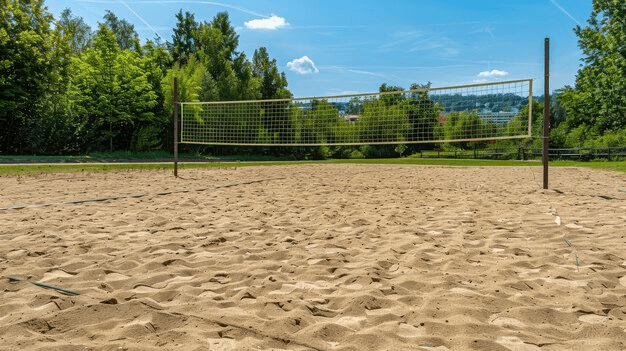
Maintaining Volleyball Court Sand isn't just about aesthetics; it's crucial for safety, performance, and longevity. Without proper care, your sand can compact, become uneven, or develop drainage issues that ruin gameplay.
Why Sand Maintenance Matters?
Maintaining Volleyball Court Sand isn't just about aesthetics; it's crucial for safety, performance, and longevity. Without proper care, your sand can compact, become uneven, or develop drainage issues that ruin gameplay.
Whether you're managing a community park or a competitive sports facility, knowing how to care for sand surfaces ensures athletes can jump, dive, and slide without risk. These 6 practical steps will help you keep your volleyball court in top shape year-round.
6 Steps to Carefully Maintain Your Volleyball Court Sand
Step 1: Regularly Rake and Level the Sand
#### Keep the Playing Surface Even
Use a landscape rake or groomer at least once a week. Uneven sand creates trip hazards and affects ball bounce. Raking redistributes high-traffic zones and keeps the surface smooth.
#### Target High-Impact Zones
Focus on the centre court and under the net, these areas experience the most player movement. Regular grooming reduces compaction and maintains a consistent playing surface.
Step 2: Check for Compaction Weekly
#### Why Compaction Is a Problem
Sand compaction reduces shock absorption. This can lead to joint injuries and slow down players. You want soft, aerated sand, not a hard surface.
#### How to Test for It
Stick a rod or pipe into the sand. If it's difficult to insert beyond a few inches, it's time to decompact using a sand-tiller or by manually turning the surface.
Step 3: Maintain Proper Sand Depth
#### Ideal Depth for Volleyball Courts
Maintain a depth of 12-18 inches of Volleyball Court Sand. Anything less compromises cushioning; anything more may cause instability and slow reactions.
#### Replenish Annually
Wind, rain, and play all displace sand. Top off with high-quality washed sand each year. If you're sourcing fresh materials, don't confuse Volleyball Court Sand with Golf bunker sand, the latter is more compact and unsuitable for play.
Step 4: Monitor Drainage and Moisture Levels
#### Avoid Waterlogging
Poor drainage leads to pooling and uneven play. Check that your sub-base allows proper water movement. If needed, add a gravel layer beneath the sand for better filtration.
#### Moisture Balance Matters
Dry sand gets dusty, while wet sand clumps. Aim for lightly damp sand, water your court during droughts, and use a roller to redistribute moisture evenly.
Step 5: Inspect and Remove Debris Daily
#### Safety Comes First
Foreign objects like rocks, sticks, or glass can cause injuries. Conduct daily walkthroughs to remove any debris before play begins.
#### Use a Sand Sifter
If you manage a high-use facility, invest in a mechanical sifter. This tool efficiently cleans and aerates the sand at the same time, saving hours of manual labour.
Step 6: Replace Worn Sand Periodically
#### Know When It's Time
Even with the best maintenance, sand breaks down over time. After 2-3 years of use, especially in competitive courts, it's smart to replace the top 6-8 inches of sand.
#### Choose the Right Replacement
Opt for angular, washed Volleyball Court Sand with low silt content. Never use Golf bunker sand or construction-grade materials, they don't drain or perform the same way.
How Weather Affects Sand Performance?
Hot, Dry Climates
Sand can get dry and dusty quickly. Water it lightly before games to prevent visibility issues and improve player comfort.
Rainy Conditions
After heavy rains, always test for compaction and re-rake the court. Install proper slope and drains to avoid erosion.
What Makes Volleyball Court Sand Different from Golf Bunker Sand?
Texture and Grain Shape
Volleyball Court Sand uses angular particles that interlock and stay in place. In contrast, Golf bunker sand tends to be round, which increases the chance of slips and uneven surfaces.
Drainage Capabilities
Volleyball sand is washed and graded for superior drainage. Golf bunker blends may hold water, making them a poor choice for courts.
Common Maintenance Mistakes to Avoid
Using the Wrong Sand
Not all sand is created equal. Don't substitute with beach sand, construction sand, or Golf bunker sand. These types fail to meet safety and performance standards.
Ignoring Moisture Levels
Many court owners neglect watering. A dry court leads to airborne particles, while excessive water compacts the surface.
Overlooking Perimeter Maintenance
Grass or weeds along the edges can encroach on your playing area. Use edging materials or landscape fabric to maintain a clear boundary.
Benefits of Maintaining Volleyball Court Sand
Improved Player Safety Soft, consistent sand reduces the risk of injuries.
Enhanced Performance Proper depth and drainage lead to faster, more dynamic play.
Longer Court Life Preventing erosion and compaction saves money in the long run.
DIY vs. Professional Maintenance
When You Can Do It Yourself
Raking, debris removal, and occasional watering are all manageable with basic tools and consistent effort.
When to Call the Pros
For compaction issues, drainage installation, or full sand replacement, hire professionals. They have the right equipment and knowledge to handle large-scale maintenance.
Sourcing the Right Volleyball Court Sand
Key Features to Look For
- Washed, angular particles
- Minimal silt or dust
- Certified for athletic use
Where to Find It
Work with reputable suppliers like ContractorLOADS. They specialise in Volleyball Court Sand that meets industry standards and avoid mixing it with materials like Golf bunker sand.
How to Prevent Sand Loss Over Time?
Install Barriers
Use edging around the court to prevent wind and foot traffic from carrying sand away.
Control Erosion
Plant grass windbreaks or install screens to reduce wind erosion. After storms, re-level any displaced areas immediately.
Sand Grooming Tips for Tournaments
Prep the Day Before
Till, water, and rake the entire surface thoroughly before the event. Remove all debris and double-check sand depth.
Groom Between Games
Quick re-raking between matches helps reset high-impact zones, especially near the net and serve zones.
Using Golf Bunker Sand for Volleyball Courts: Why It's a Bad Idea
- Too Compact: Bunker sand compacts easily, reducing safety.
- Poor Drainage: Traps moisture and leads to hard spots.
- Wrong Texture: Rounded grains don't interlock well, creating instability.
Stick to purpose-built Volleyball Court Sand to avoid performance issues and liability risks.
Educating Players on Court Etiquette and Preservation
Maintenance Isn't Just Physical: It's Cultural
While tools and sand quality play their part, human behavior significantly impacts how long your court stays in good shape. Educate players and users on basic court etiquette like brushing off shoes before entering, avoiding food and drink near the sand, and reporting hazards.
Simple Habits That Make a Big Difference
- Encourage players to smooth out landing areas after games to reduce wear patterns.
- Set clear expectations through visible signage about respecting the space—no glass containers, no pets, no smoking.
- Appoint a "court captain" or rotate cleanup duty during tournaments to keep everyone involved.
Fostering a culture of care ensures your Volleyball Court Sand stays cleaner, safer, and lasts longer without requiring constant intervention. A little respect goes a long way in preserving your investment and player satisfaction.
Partner with ContractorLOADS for Premium Volleyball Court Sand
Looking to upgrade your volleyball court? At ContractorLOADS, we provide top-quality Volleyball Court Sand that's engineered for athletic performance. Unlike Golf bunker sand, our blends meet strict drainage and safety standards.
We'll help you select the perfect sand, offer delivery across regions, and assist with maintenance guidance. Whether you're building a new court or refurbishing an old one, our team ensures your surface supports elite-level play.